Information & Education
The North & South Twin Lakes District is committed to fostering an understanding and appreciation of our lakes and wildlife. Our education initiatives aim to inform residents and visitors about the importance of protecting lake ecosystems, preserving water quality, and ensuring sustainable enjoyment for generations to come. We encourage everyone to become active stewards of our beautiful lakes.
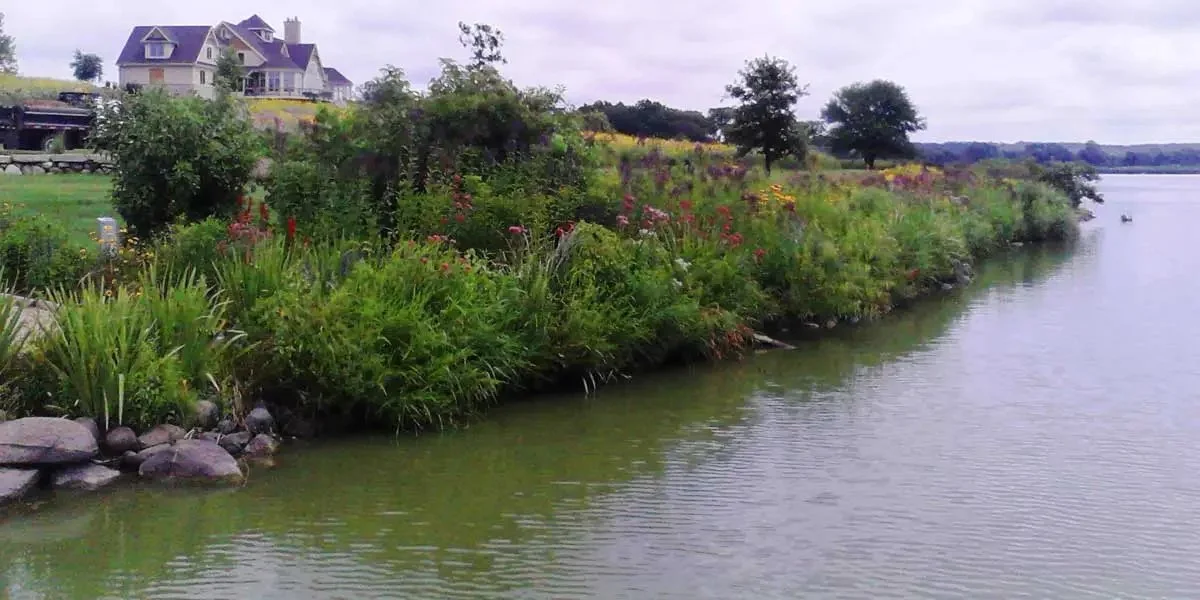
“Healthy Lakes & Rivers includes simple and inexpensive best practices that improve habitat and water quality on your shore land property” …
Wisconsin Healthy Lakes and Rivers Program
Learn how maintaining your shoreline can improve the quality of the Twin Lakes.
A Simplified Look at Shoreline Improvements
An Indepth Look at Shoreline Improvements
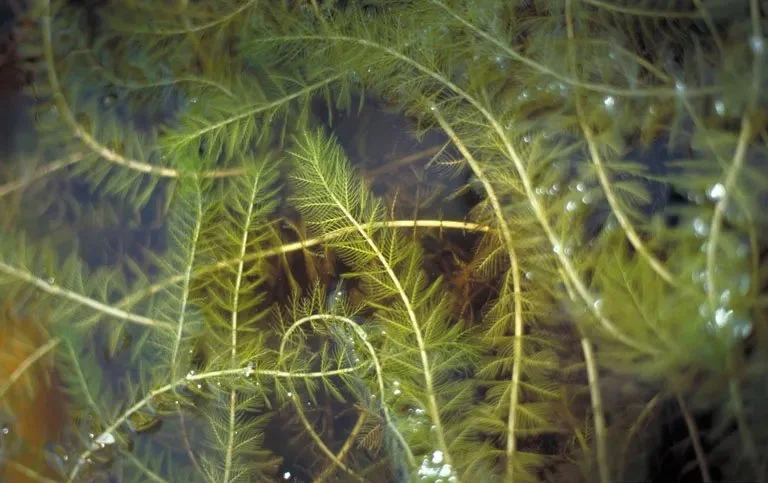
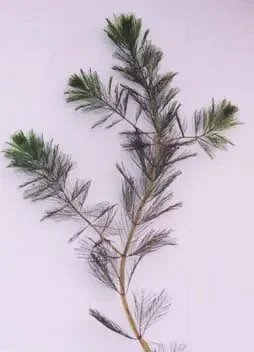
What is Eurasian Water Milfoil?
Eurasian Water Milfoil is an invasive aquatic plant that poses a significant threat to Wisconsin’s lakes, including North & South Twin Lakes. This fast-spreading plant can form dense mats on the water’s surface, blocking sunlight, crowding out native species, and disrupting fish habitats. Controlling its spread is challenging, but lake districts actively work to monitor and manage milfoil through strategies like hand-pulling, using specialized harvesting equipment, and educating the public on preventing its spread by cleaning boats and gear.
What is the Chemical ProcellaCOR?
ProcellaCOR is a targeted, low-impact herbicide used to control invasive aquatic plants, such as Eurasian Water Milfoil, in lakes. Its active ingredient, florpyrauxifen-benzyl, selectively targets invasive species while sparing most native plants, making it ideal for preserving lake ecosystems. ProcellaCOR is highly effective in small doses and has a minimal impact on wildlife, water quality, and recreational activities. This precision approach allows lake managers to address invasive plant infestations with minimal environmental disruption, helping to restore balance in affected lakes. Learn more about Chemical ProcellaCOR.
What is Diver Assisted Suction Harvesting (DASH)?
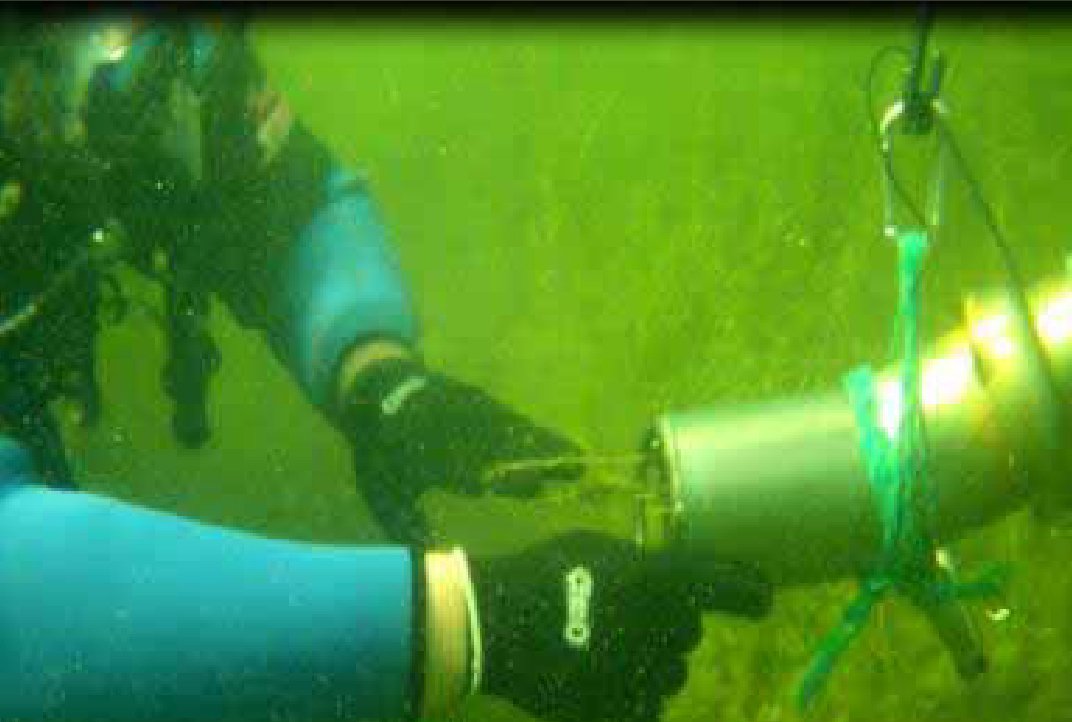
Diver Assisted Suction Harvesting (DASH) is an effective, environmentally friendly method used to control invasive aquatic plants, like Eurasian Water Milfoil, in lakes. In this approach, divers carefully hand-pull invasive plants from the lakebed, ensuring the entire root system is removed to prevent regrowth. The plants are then fed into a suction hose, transporting them to the surface for safe disposal. DASH is particularly useful in targeting specific infestations without disturbing native vegetation, helping to maintain a balanced ecosystem in lakes. Learn more about diver assisted suction harvesting.
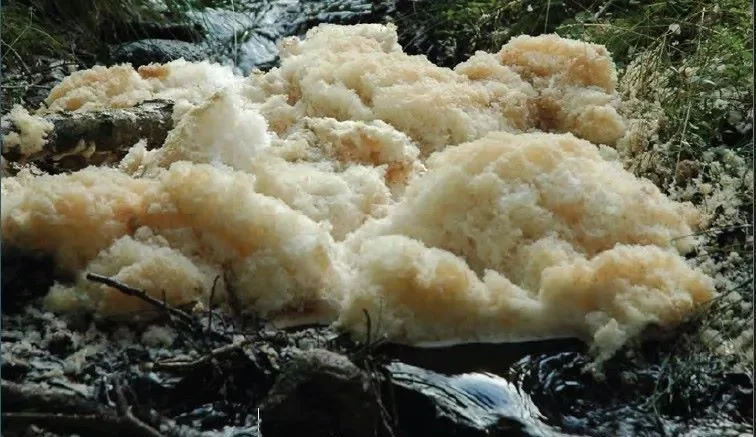
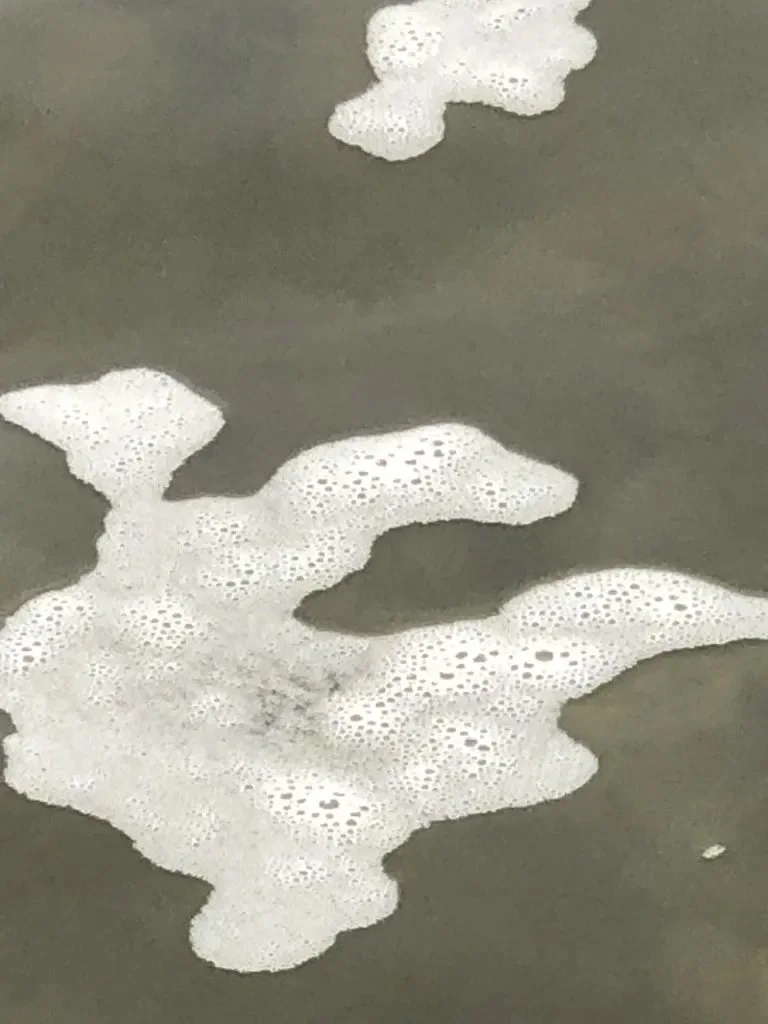
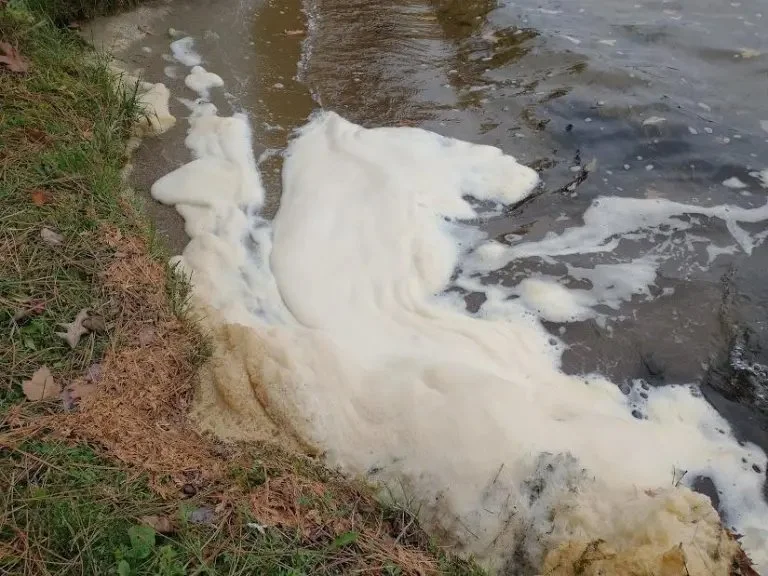
Are You Seeing Foam on Our Waters?
Naturally occurring foam on lakes is a common and harmless phenomenon often mistaken for pollution. This foam forms when organic materials—like decomposing plants, algae, or fish—release compounds that reduce the water’s surface tension, allowing bubbles to form and accumulate. Wind and waves can push the foam to shorelines, where it may gather in noticeable patches. Unlike soap or chemical pollution, this natural foam typically has an earthy or fishy smell and varies in color from white to tan. It’s a normal part of lake ecosystems and doesn’t pose any risk to water quality or aquatic life. Learn more about naturally occurring foam.
Need to get in touch?
We’re here to answer your questions about lake management, local projects, or community involvement. Reach out for support, share your thoughts, or learn more about the North and South Twin Lakes District.