What is Swimmer's Itch?
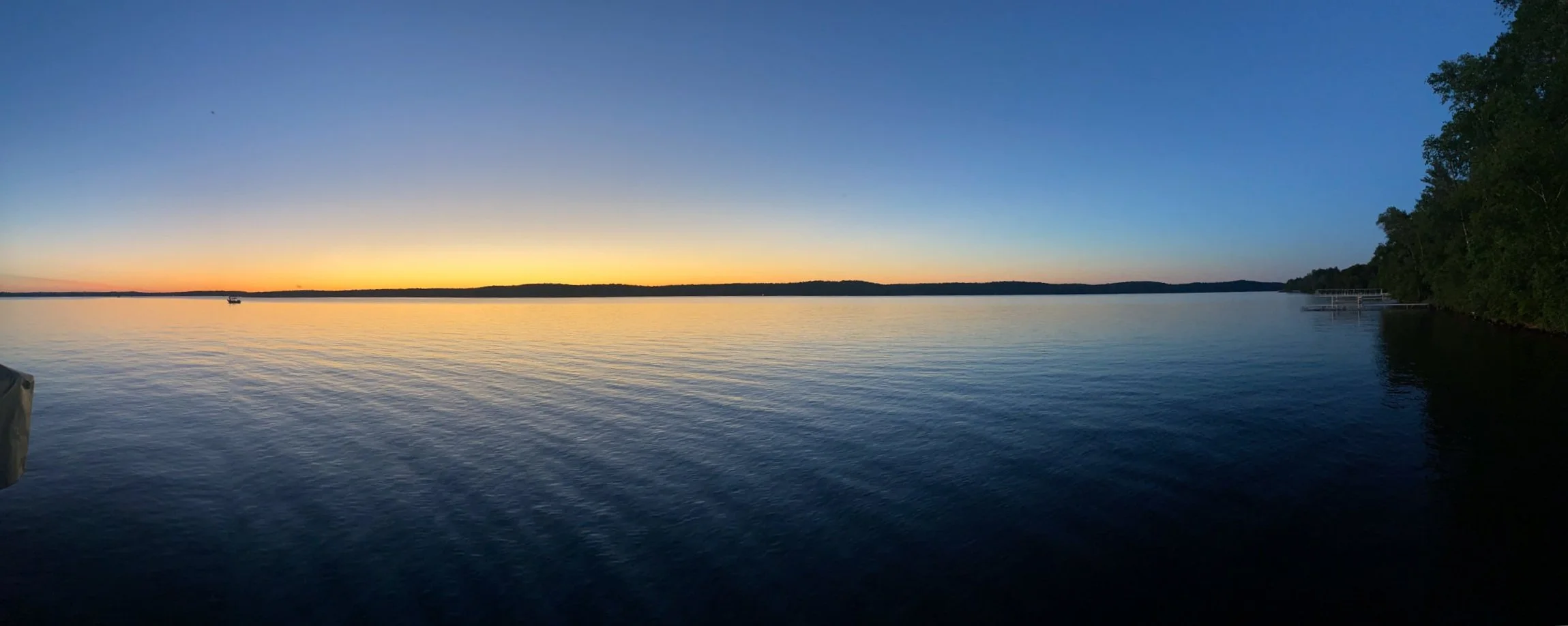
Swimmer’s itch is an irritating rash caused by microscopic parasites found in some lakes, especially in areas where waterfowl, like mergansers, and certain snails are present. These parasites, which naturally seek bird hosts, can mistakenly burrow into human skin, leading to an itchy, red rash. While harmless to humans, swimmer’s itch can be uncomfortable, especially for frequent swimmers. Local lake districts work to monitor and manage factors that contribute to swimmer’s itch, helping to make lakes more enjoyable for everyone.
More About Swimmer's Itch?
Swimmer’s Itch Life Cycle Information

Lake District Continues Efforts to Tackle Swimmer’s Itch
The North & South Twin Lakes District remains committed to reducing swimmer’s itch through its ongoing initiative focused on monitoring, research, and preventive strategies. By working with local experts and gathering community reports, the district aims to better understand swimmer’s itch patterns and implement effective solutions. This continued effort ensures that residents and visitors can enjoy a more comfortable lake experience each season.
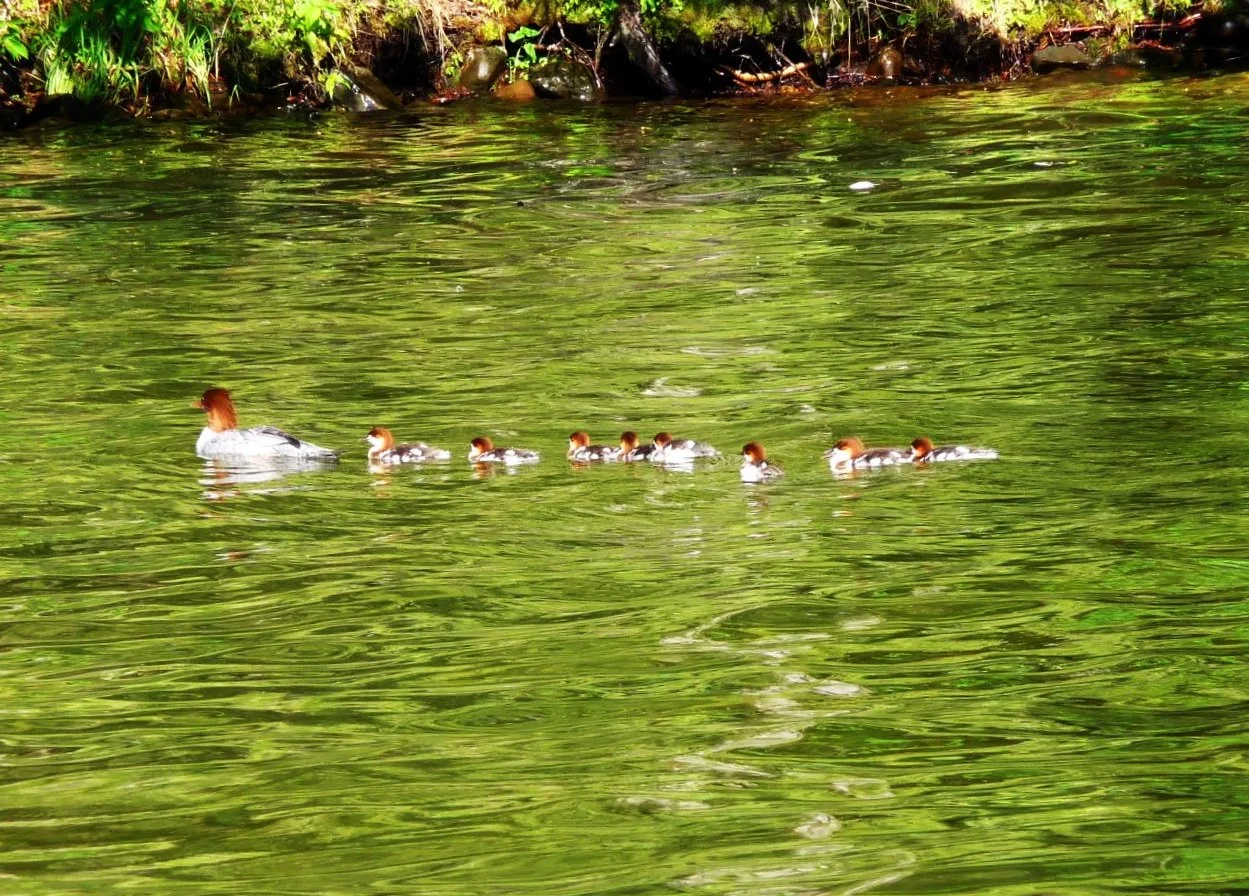
Identifying Merganser Broods
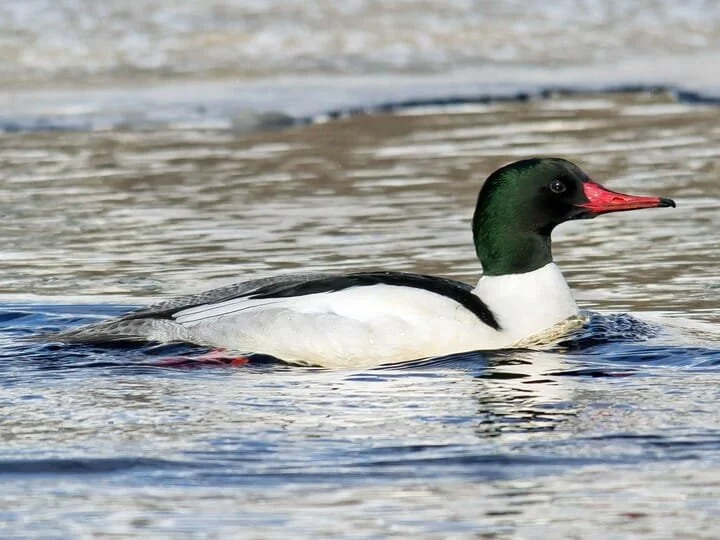
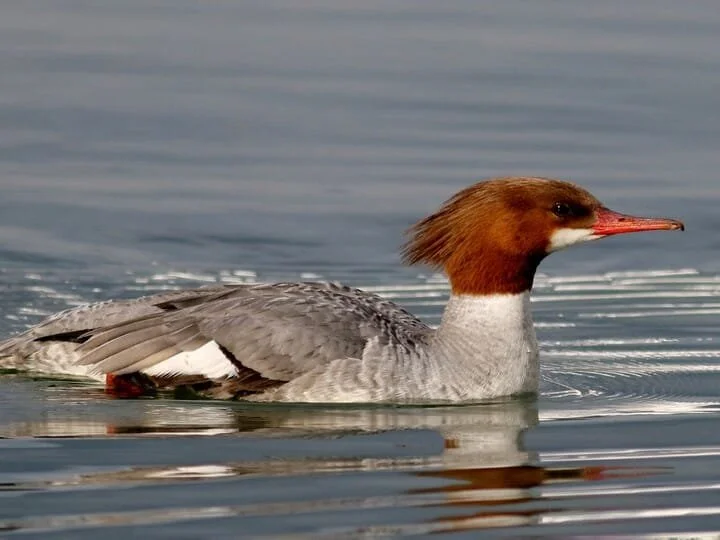
Mergansers, a common duck species in northern Wisconsin, play an unexpected role in the spread of swimmer’s itch. These ducks host a specific type of parasite that uses snails and waterfowl in its life cycle. When the parasite’s larvae are released into the water, they can accidentally come into contact with human skin, causing the itchy rash known as swimmer’s itch. Efforts to manage merganser populations around the Twin Lakes are part of local strategies to lessen swimmer’s itch outbreaks. To learn more about the North & South Twin Lake District’s efforts to reduce swimmer’s itch.
Need to get in touch?
We’re here to answer your questions about lake management, local projects, or community involvement. Reach out for support, share your thoughts, or learn more about the North and South Twin Lakes District.