Safety First
Always wear a properly fitted life jacket and ensure there are enough approved life jackets for all passengers.
Personal Flotation Devices (PFDs)
1) All vessels (including canoes, kayaks, and paddleboards)must have at least one USCG approved wearable Type I, II, III, or V personal flotation device (PFD) for each person on board, as well as one USCG–approved throwable Type IV device
2) It is strongly recommended that children under the age of 13 to wear a USCG–approved PFD while in an open vessel.
Boating Practices
Operate at safe speeds appropriate for water conditions, traffic, visibility, and local regulations.
Understand and follow navigation rules, markers (buoys), and no-wake zones.
Specifically, it is illegal to:
1) Operate a vessel at a distance from other vessels or at a speed that exceeds safe and reasonable limits given the waterway traffic, marked speed limits, weather, and other boating conditions.
2) Operate a vessel repeatedly in a circuitous manner within 200 feet of another vessel or person in the water.
3) Operate a vessel within 100 feet of the shoreline, any dock, raft, pier, or restricted area on any lake at greater than “slow, no wake speed.”
4) Operate a vessel at greater than “slow, no wake speed” within 100 feet of a swimmer, unless the vessel is assisting the swimmer.
5) Operate a motorboat at greater than “slow, no wake speed” when within 100 feet of the shoreline of any lake (except in areas marked as pickup and drop-off locations for water-skiing).
6) Operate a PWC at greater than “slow, no wake speed” when within 200 feet of the shoreline of any lake (except in areas marked as pickup and drop-off locations for water-skiing)
Boating Etiquette
Keep noise levels reasonable near residential areas and during early morning or evening hours.
Give other boats plenty of space and avoid cutting across their path.
Be patient and courteous at boat launches, and docks
Help fellow boaters when safe to do so and promote a friendly atmosphere on the water.
Protecting Our Waterways
Respect wildlife habitats and maintain a safe distance from animals.
Do not boat through any vegetation visible above the surface or that which is within reach of the prop to prevent “prop clipping” and the potential spread of Eurasian Water Milfoil (EWM)
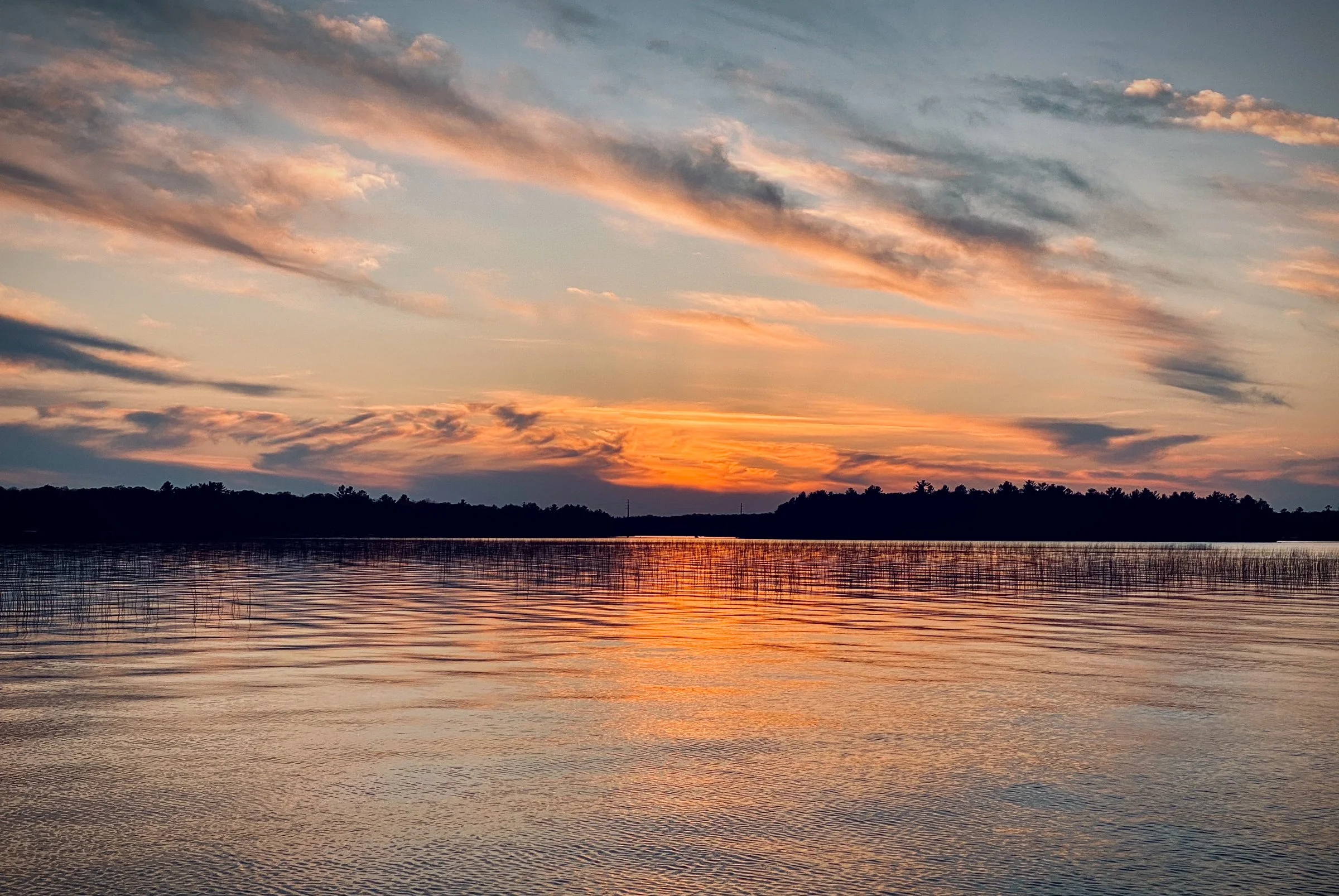
Respect the Bulrush population as this is a rare and unique plant that the Twins have. It is vital to protect this resource by respecting the boundaries of them and to not boat through them. If it is necessary to boat through them, a “slow no wake” speed is required.
Dispose of trash properly and leave waterways cleaner than you found them.
Prevent fuel, oil, and waste from entering the water.
Aquatic Invasive Species - Reference “Clean Boats Clean Waters” (CBCW) Protocol
Introducing non-native species into Wisconsin waters can upset the balance of the ecosystem, thereby harming the environment. Aquatic invasive species, such as zebra mussels, quagga mussels, milfoil, and hydrilla, are often spread between waterways by hitching a ride on vessels and trailers. When transplanted into new waters, these organisms proliferate, displacing native species and damaging the water resource.
■ To help prevent spreading aquatic nuisance species, Wisconsin law requires that you: • Inspect your vessel, trailer, and equipment, and remove any attached plants and animals before launching and before leaving the area and traveling on a public highway. • Drain all water from all boats, motors, trailers, boat equipment, and fishing equipment before you transport the boat, trailer, or equipment away from that body of water or its shore. • Drain all water from any boat being transported over land before the boat enters Wisconsin from another state.
■ When you leave a body of water that contains aquatic invasive species, you also should disinfect everything by: • Rinse your vessel, propeller, trailer, and equipment with hot water (at least 104° Fahrenheit) or... • Air-drying your vessel and equipment for at least five days.
■ Rules for Transporting Live Minnows and Other Fish: To prevent the spread of Viral Hemorrhagic Septicemia (VHS), a deadly fish virus that is threatening Wisconsin’s fish, the Wisconsin DNR has established certain rules. • If obtained from a Wisconsin bait dealer, live minnows may be transported away and used again: - On the same water or... - On any other waters if no lake water, river water, or other fish were added to the container. • You may not transport any other live fish or any live fish eggs away from any state waters.
Thank you for doing your part to make boating safe and enjoyable for everyone.
For a complete handbook of Wisconsin Boating Laws and Responsibilities copy and paste the following into your browser search bar.
https://widnr.widen.net/s/0vw8hwrae3
Sincerely,
The District Board of Commissioners
Need to get in touch?
We’re here to answer your questions about lake management, local projects, or community involvement. Reach out for support, share your thoughts, or learn more about the North and South Twin Lakes District.